

Pest monitoring / Your vision model
Small signals.
A bigger picture.
Connect insect imagery with your own analysis. Explore documented light-based traps and a separate sticky-trap camera project.
A better question
What changed in the field,
and what should we review?
ENVIRONMENTAL MONITORING × APPLIED AI
Existing instrument families
Light-based collection with imaging.
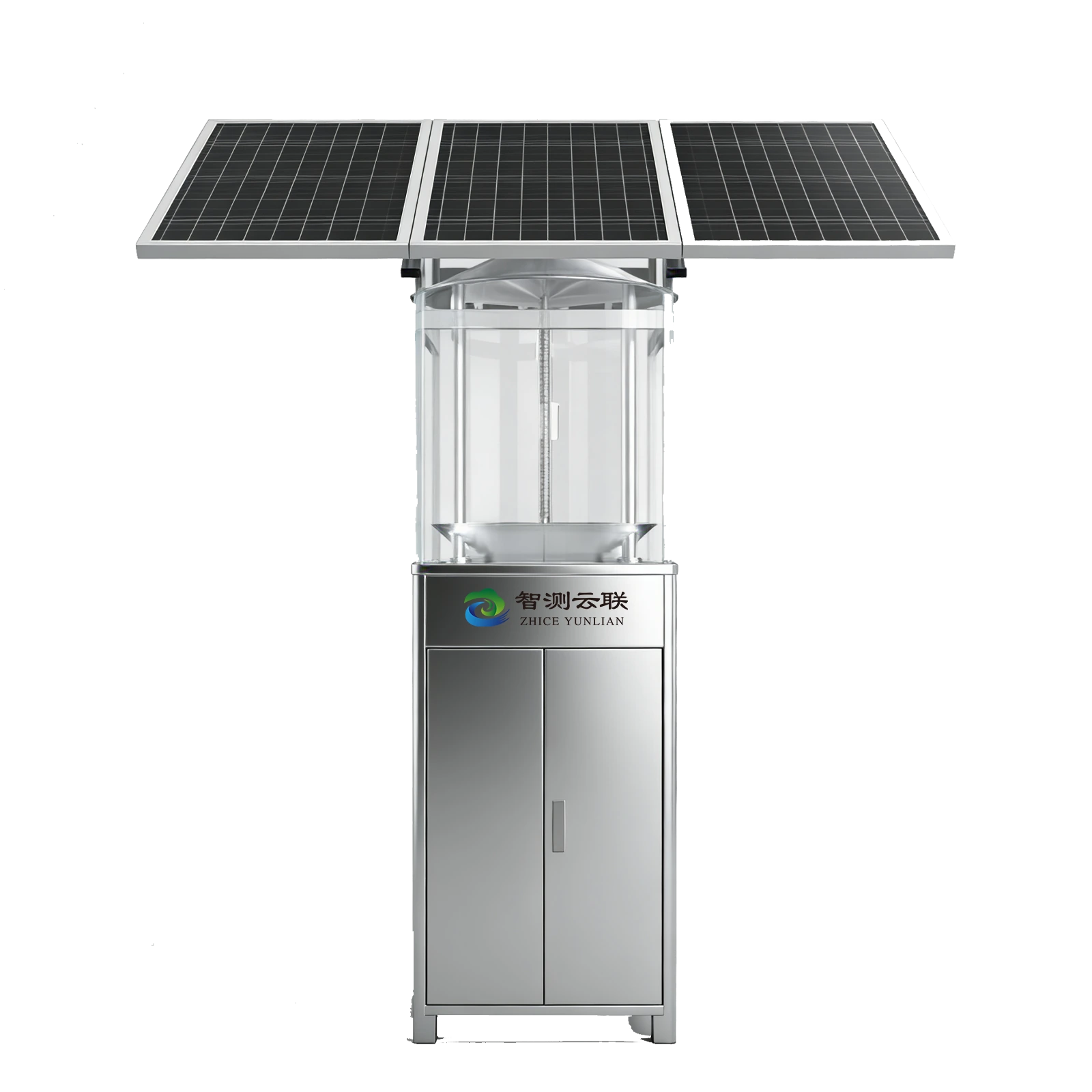
Imaging insect monitoring lamp
A view of the collected insects.
A light-trap configuration combining collection and imaging equipment for remote pest observation.
- Documented camera configuration
- 5 megapixels
- Collection system
- Eight positions
- Local display
- 7-inch touch display
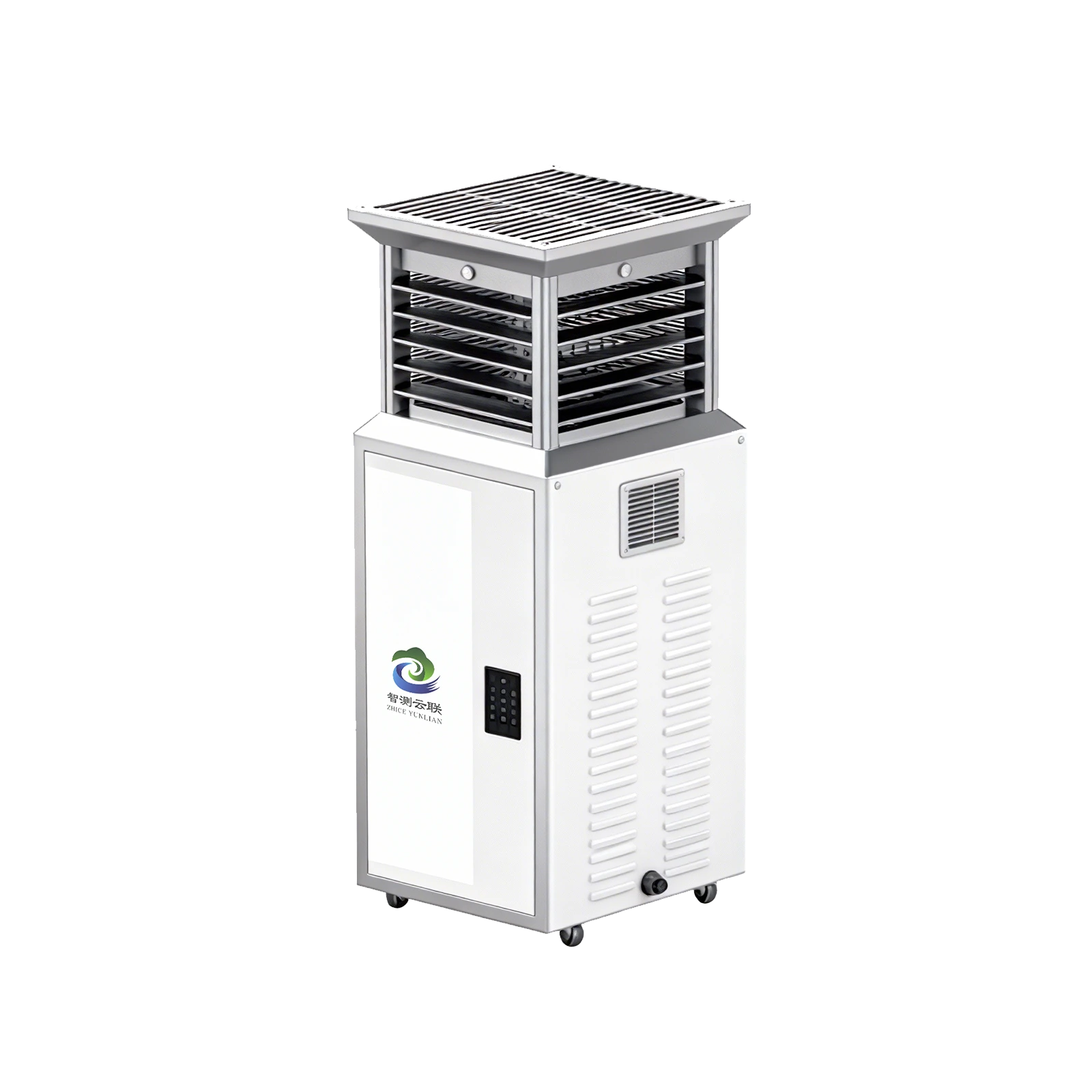
Compact insect monitoring lamp
A compact collection cabinet.
An alternative light-trap design with an anti-escape inlet, collection arrangement and camera. This cabinet is a different collection method from a yellow or blue sticky card.
- Documented imaging configuration
- 48-megapixel camera
- Collection
- Anti-escape inlet and infrared treatment
- Observation
- Electronic balance for collected insects
Sticky-trap camera projects
A different design, developed around your brief.
For projects requesting yellow or blue sticky cards, a pole-mounted camera, solar power and cellular communications, we can review a dedicated configuration. The model, dimensions, components and final specification are confirmed during development.
The lamp instruments shown above illustrate existing product families. The sticky-trap camera project requires its own approved drawings, sample and specification.
Bring your own vision model.
Define the capture schedule and JPEG quality, then agree a direct-delivery adapter for your server. You can use your own AI to count or classify insects. Any manufacturer-supplied recognition service is a separate option.
See the image delivery workflowBefore a North American pilot
Verify the complete field configuration.
- Cold weather
- Check the camera, battery and charge controller individually. A −40 °C configuration needs component evidence and system testing.
- Power & endurance
- Confirm capture/upload intervals, battery chemistry, solar conditions and a tested no-sun operating period.
- Cellular connection
- Specify the actual modem, required LTE bands, SIM and carrier. A generic 4G label does not establish regional compatibility.
- Enclosure & maintenance
- Confirm the complete assembly IP rating, card access, condensation control and battery replacement.
- Radio approvals
- FCC and Canadian ISED evidence must match the supplied configuration. The new sticky-trap project currently has neither approval.

From possibility to a pilot
Connect your field.
Define your next step.
Start with your site, your equipment and the question you need to answer. Define a practical first use together.