
Configuration guide · example planning workflow
Rainfall observation
A planning example for liquid rainfall measurement. Use it to shape a requirement around collector siting, resolution, output interface and logger compatibility.
Example planning workflow. Not a customer installation claim.
01 / Purpose
Define what rainfall observation needs to answer.
The purpose of this example is to plan a liquid rainfall measurement point. Start with the question the data needs to answer, then decide on resolution and output version. The gauge is intended for liquid rainfall and is not a snow measurement instrument.
If local weather context is also needed, it can be treated as a separate instrument decision using the agriculture and field monitoring guide.
02 / Proposed instrument
ZC-YLC-002 tipping bucket rain gauge
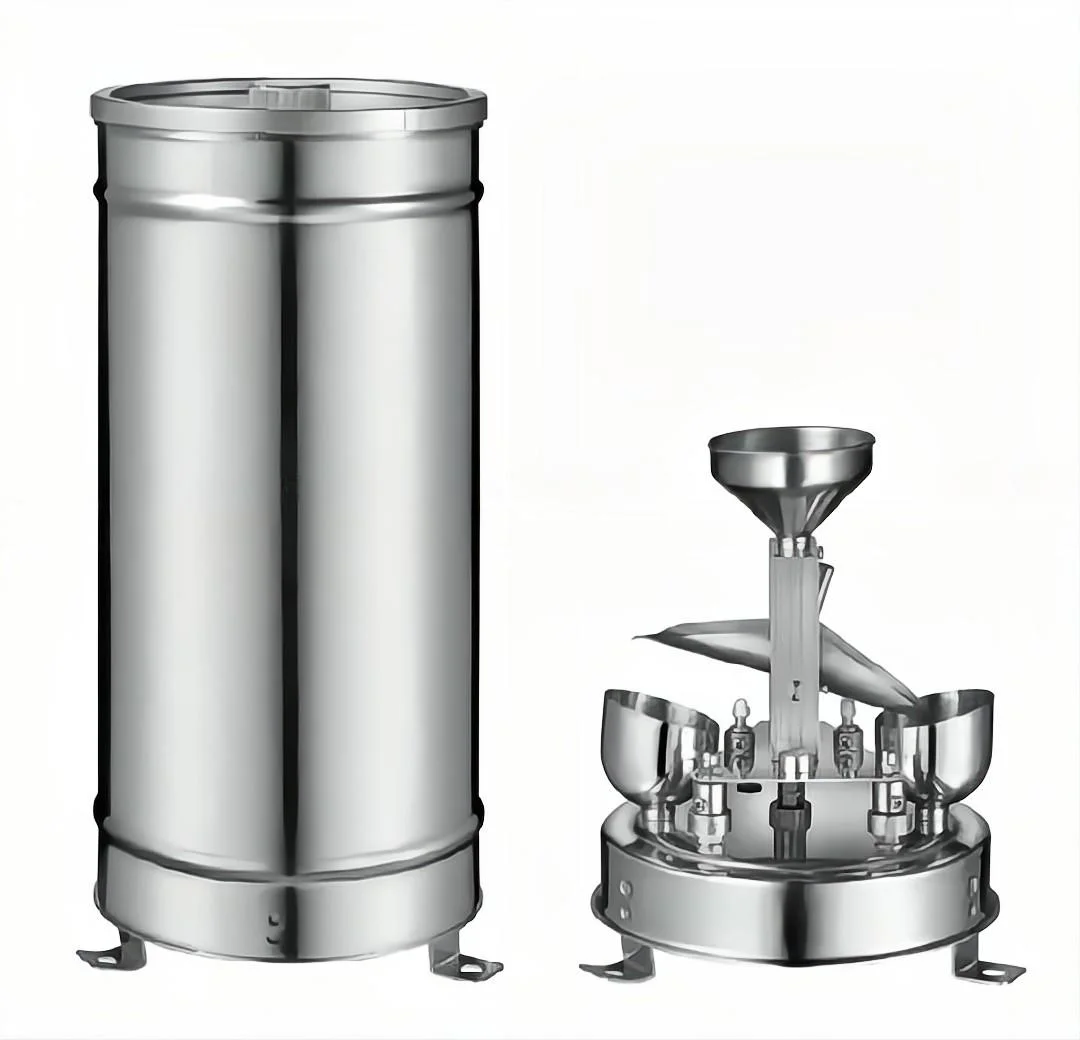
The example uses one tipping bucket rain gauge with a 200 mm nominal collector and a stainless steel body. Resolution is selected from 0.1, 0.2, 0.5 or 1 mm, and output is either dry-contact pulse or RS485 (Modbus RTU), depending on version.
5–24 V applies only to active versions. The dry-contact pulse output is a passive contact and is not supplied with power. Mounting is by flange with levelling.
View the ZC-YLC-00203 / Site & communication questions
Questions to confirm before quotation
- Is the measurement limited to liquid rainfall? The gauge is not intended for snow.
- Where will the collector be sited, with clear exposure and a stable mounting surface?
- Which resolution is needed: 0.1, 0.2, 0.5 or 1 mm?
- Which output version is required: dry-contact pulse or RS485 (Modbus RTU)?
- What logger or interface will receive the output?
- If an active version is selected, how will it be powered?
- What site conditions and documentation need confirmation?
04 / Example planning workflow
From requirement to quotation
- Define the rainfall requirement
Confirm that the measurement is for liquid rainfall and what the data will support.
- Select resolution and output
Choose the resolution and the pulse or RS485 version before production.
- Confirm the site
Check collector siting, mounting and levelling, logger interface and power for the selected version.
- Prepare the quotation
Record the selected configuration, supplied items and documentation on the order.
Next step
Have a rainfall requirement?
Tell us the site, resolution and output version you have in mind. We will use the requirement to define a configuration.